Spongy Moth Caterpillar 2025 - Invasive spongy moth spraying planned for interior, coastal communities. Aerial spray treatments will be done on vancouver island and salt spring island.
Invasive spongy moth spraying planned for interior, coastal communities.
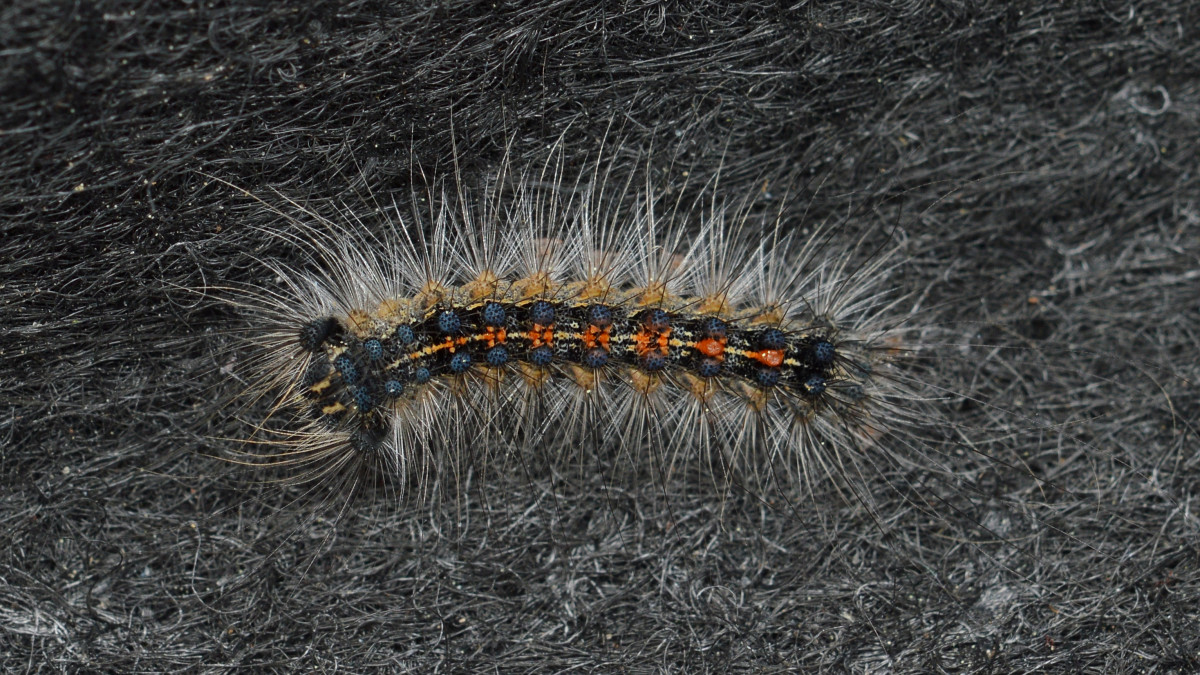
Spongy moth Description, Caterpillar, Invasive Species, Life Cycle, Formerly known by the insensitive name. But unless both species of moths.
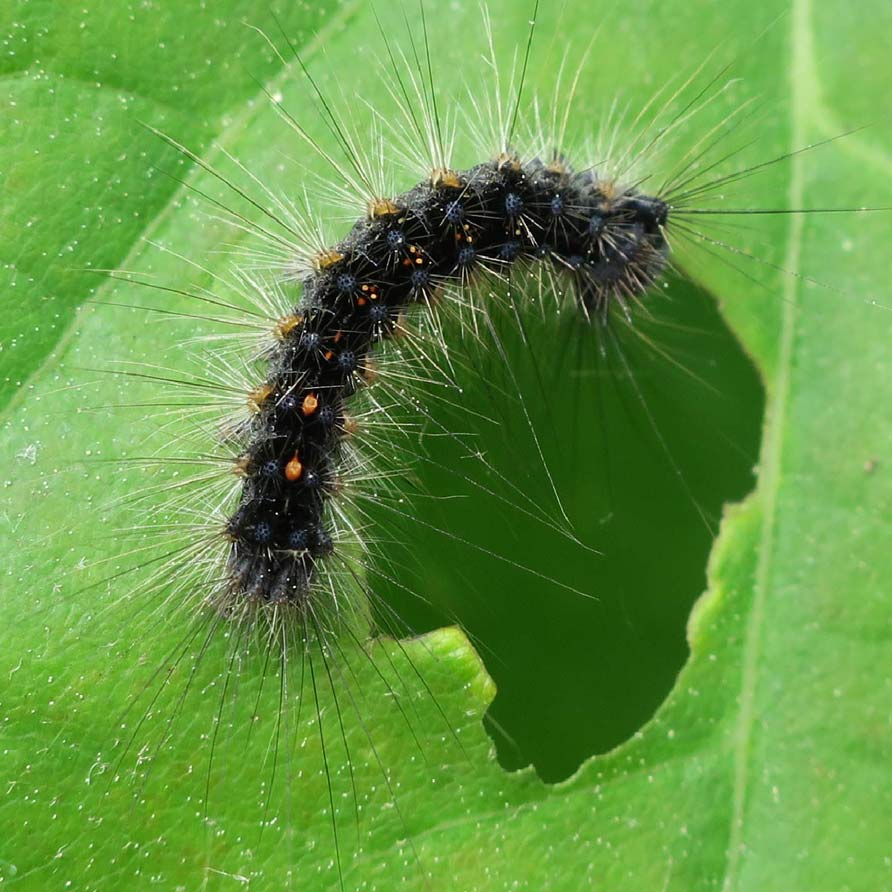
The Spongy Moth Caterpillar Identification Guide (With Photos) Owlcation, Aerial spray treatments will be done on vancouver island and salt spring island. Ontario has changed the way we refer to ldd.
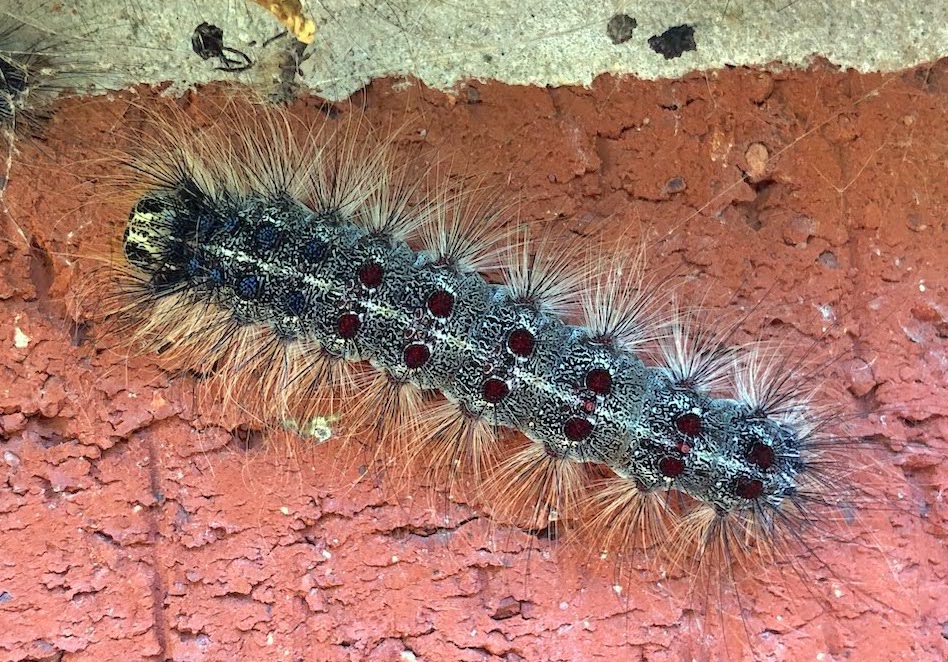
May 4, 2025 @ 2:19 am. Kurstaki (btk), targeting spongy moth caterpillars.
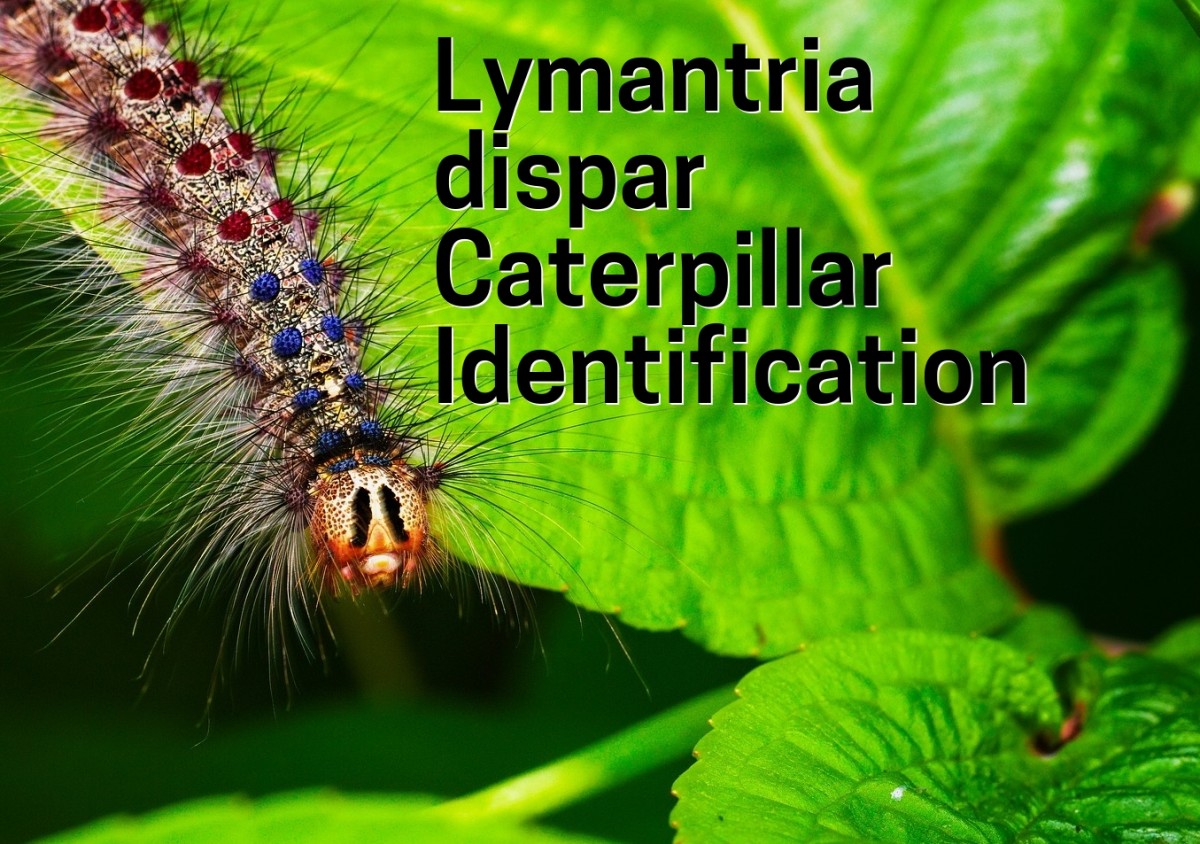
Everything You Need To Know About Spongy Moths Orkin, But unless both species of moths. Invasive spongy moth treatment spraying approved for vancouver island, salt spring island.
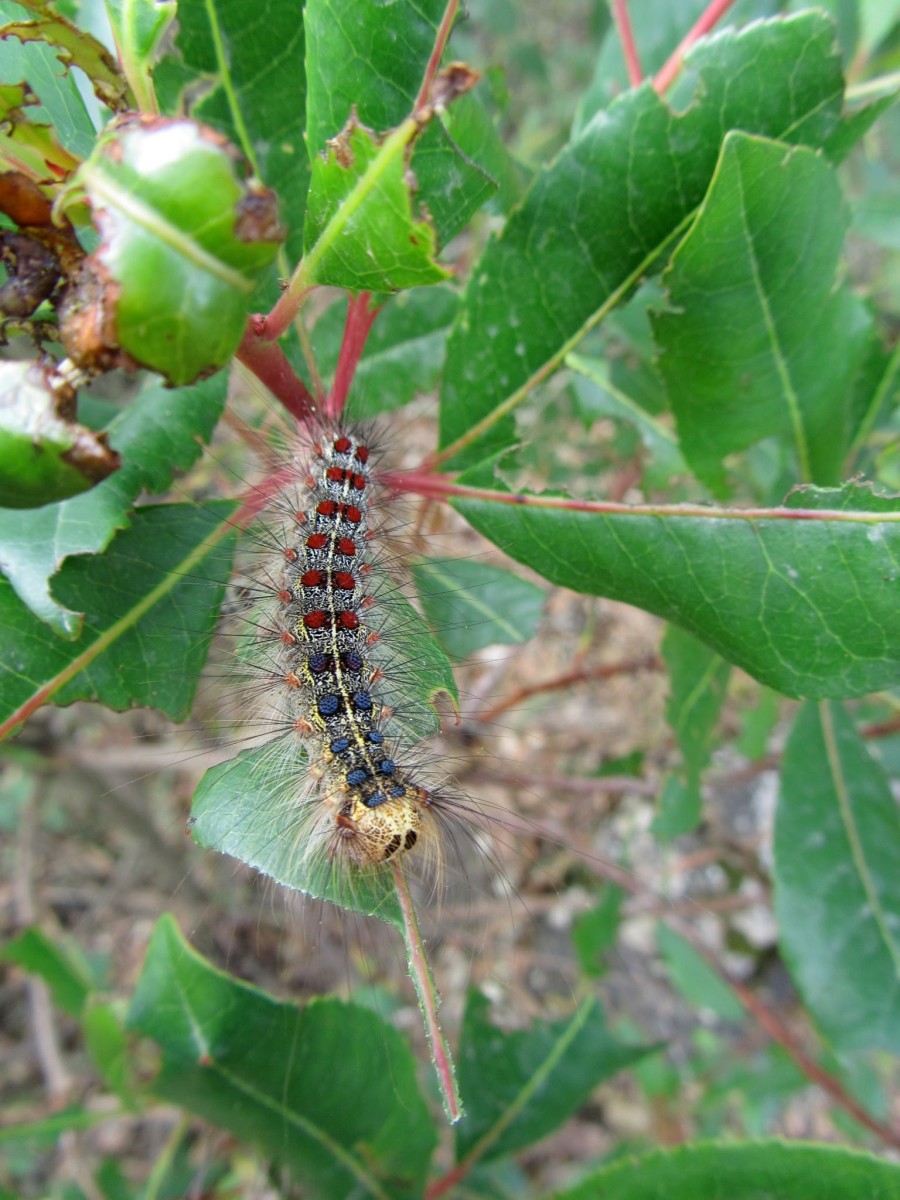
The Spongy Moth Caterpillar Identification Guide (With Photos) Owlcation, A spongy moth caterpillar climbs on a leaf at the saint mary’s street playground in. Spongy moth ( lymantria dispar dispar) is a destructive, invasive insect.
PSA Spongy moth caterpillars are back in action in 2025 Today's Parent, Invasive spongy moth treatment spraying approved for vancouver island, salt spring island. Formerly known by the insensitive name.
Spongy Moth Wisconsin Horticulture, According to the department of conservation and natural resources, spongy moths defoliated more than 441,000 acres in pennsylvania last year. Invasive spongy moth spraying planned for interior, coastal communities.
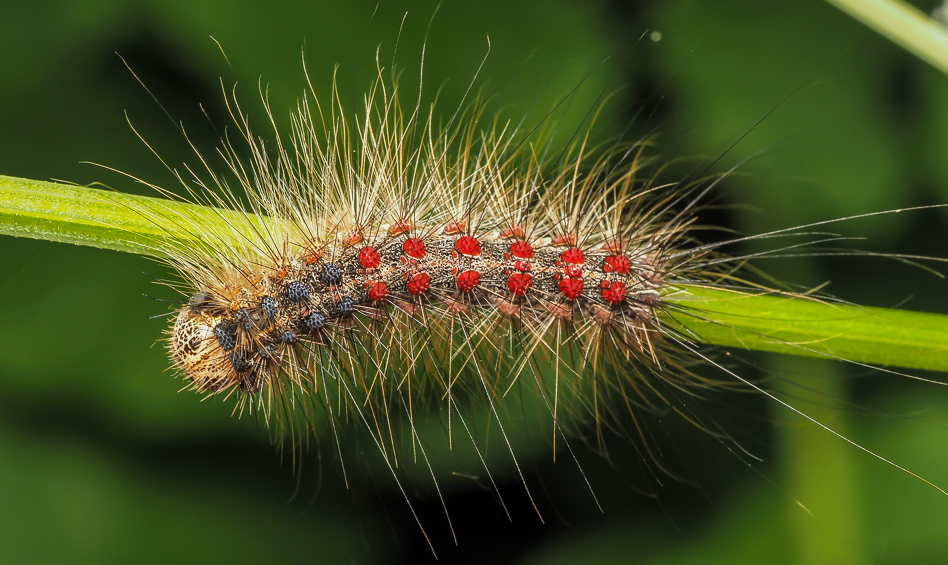
Spongy moth declared pest Agriculture and Food, In may to early june, planes will spray bacillus thuringiensis var. The spongy moth, or lymantria dispar dispar, is an invasive insect brought to north america from europe in the late 1800s by a silk farmer.

Spongy moth (formerly referred to as gypsy moth) in british columbia.

FAQ Spongy moth caterpillars Cottage Life, Invasive spongy moth spraying planned for interior, coastal communities. The recently renamed spongy moth, lymantria dispar, formerly known as the gypsy moth, remains a real threat to hardwoods in northern and northeastern.

